Roof Systems
White EPDM Roof Systems in Asheville, NC
White EPDM roof systems for Asheville hospitality and retail buildings managing cooling costs, covering reflectivity, recover options, and maintenance needs.
White EPDM for Asheville Hospitality and Retail Roofs Managing Cooling Load
White EPDM comes up most often in our Asheville bid conversations when a hotel or hospitality owner along the Tunnel Road or Biltmore Village corridor is trying to manage a cooling bill on an exposed, single-story roof, without giving up the flexibility that makes EPDM easier to detail on an older or irregular building.
Why a Hospitality Owner Asks for White Instead of Black
A hotel roof along the Tunnel Road corridor or in Biltmore Village sits exposed to direct sun most of the day, and a white membrane reflects a meaningfully larger share of that solar load back off the building than a black membrane does. Less heat driven into the insulation and the deck below means the rooftop units and the building's cooling system are not fighting a hotter starting point all summer.
We do not promise a specific utility savings figure, because the actual dollar impact depends on the building's insulation level, HVAC condition, and how much of the cooling load is roof-driven in the first place. What we can say plainly is that the reflectivity difference is real and measurable at the membrane surface, which is the honest way to frame the decision for an owner comparing bid alternates.
Fleece-Back vs Standard White EPDM for a Recover Project
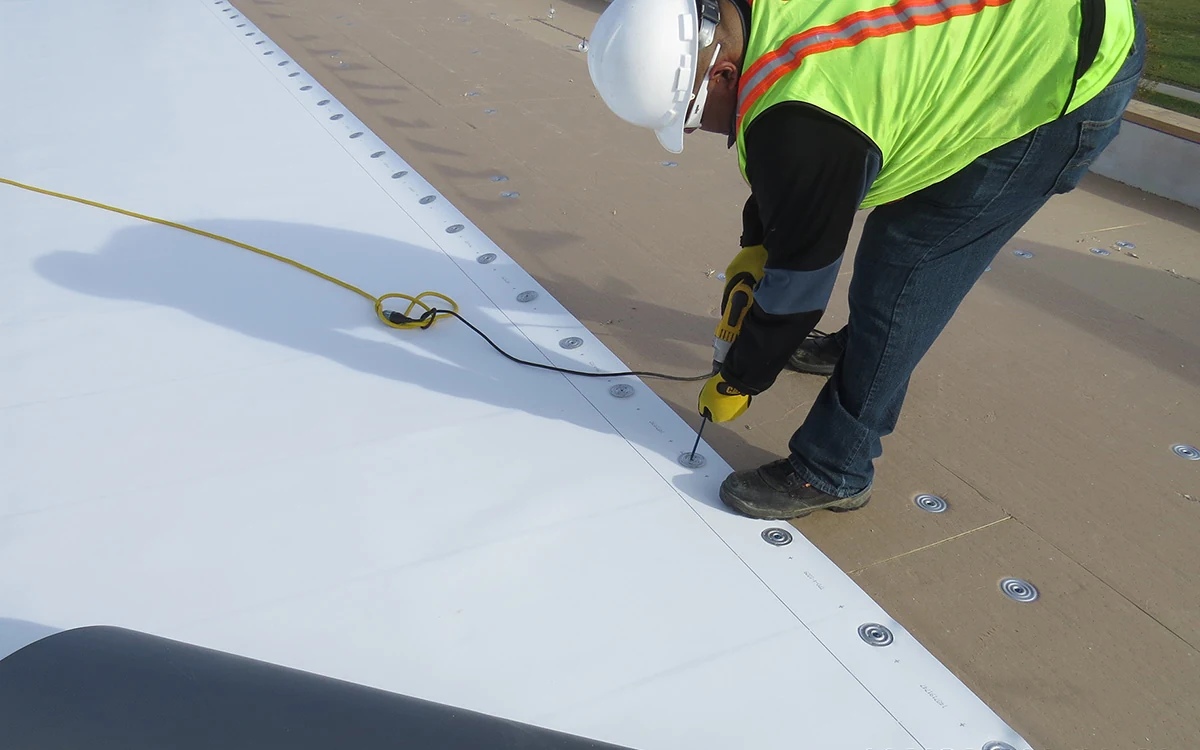
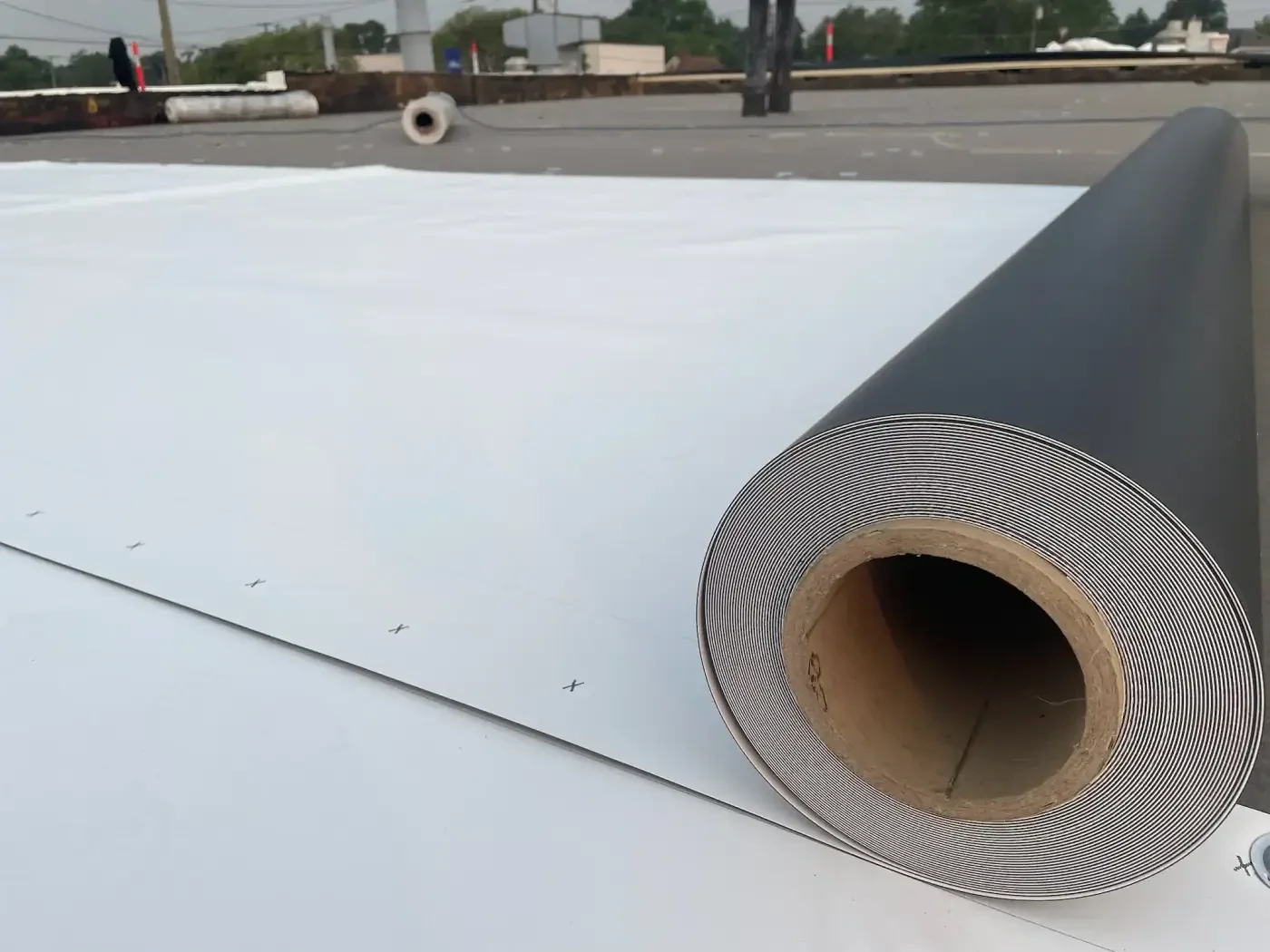
Fleece-backed EPDM has a reinforcing fleece laminated to the underside of the membrane, which lets it be fully adhered directly over a prepared existing roof without a separate cover board in many recover scenarios. That matters on a hotel that cannot easily go fully vacant for a tear-off, since a recover project keeps more of the building dry and operational during the work.
Standard, non-fleece white EPDM is generally the better fit for new construction or a full tear-off where a cover board is already part of the assembly. The choice between the two is a scope question, recover versus replace, more than a preference question, and it should be settled before the bid goes out, not decided in the field.
Reflectivity and Aging in a Climate With Big Seasonal Swings
A white membrane's reflectivity is highest the day it is installed and declines gradually as dirt, pollen, and general weathering accumulate on the surface. Periodic washing restores a meaningful share of that lost reflectivity, and a maintenance plan that skips it is quietly giving back some of the reason the owner paid for white membrane in the first place. Freeze-thaw cycling at Asheville's elevation stresses the membrane and its flashings the same way regardless of color, so the color choice is about surface performance, not structural durability.
A white EPDM submittal for an Asheville hospitality reroof should include the following before a procurement team signs off:
- Fleece-back or standard membrane specification matched to recover versus tear-off scope
- Manufacturer solar reflectance data sheet for the specific product proposed
- Attachment method appropriate to the existing deck and recover conditions
- Flashing detail drawings for rooftop units and parapet transitions
- A maintenance plan specifying the washing interval needed to retain reflectivity over time
Detailing Around Rooftop Units on Hotel and Corridor Roofs
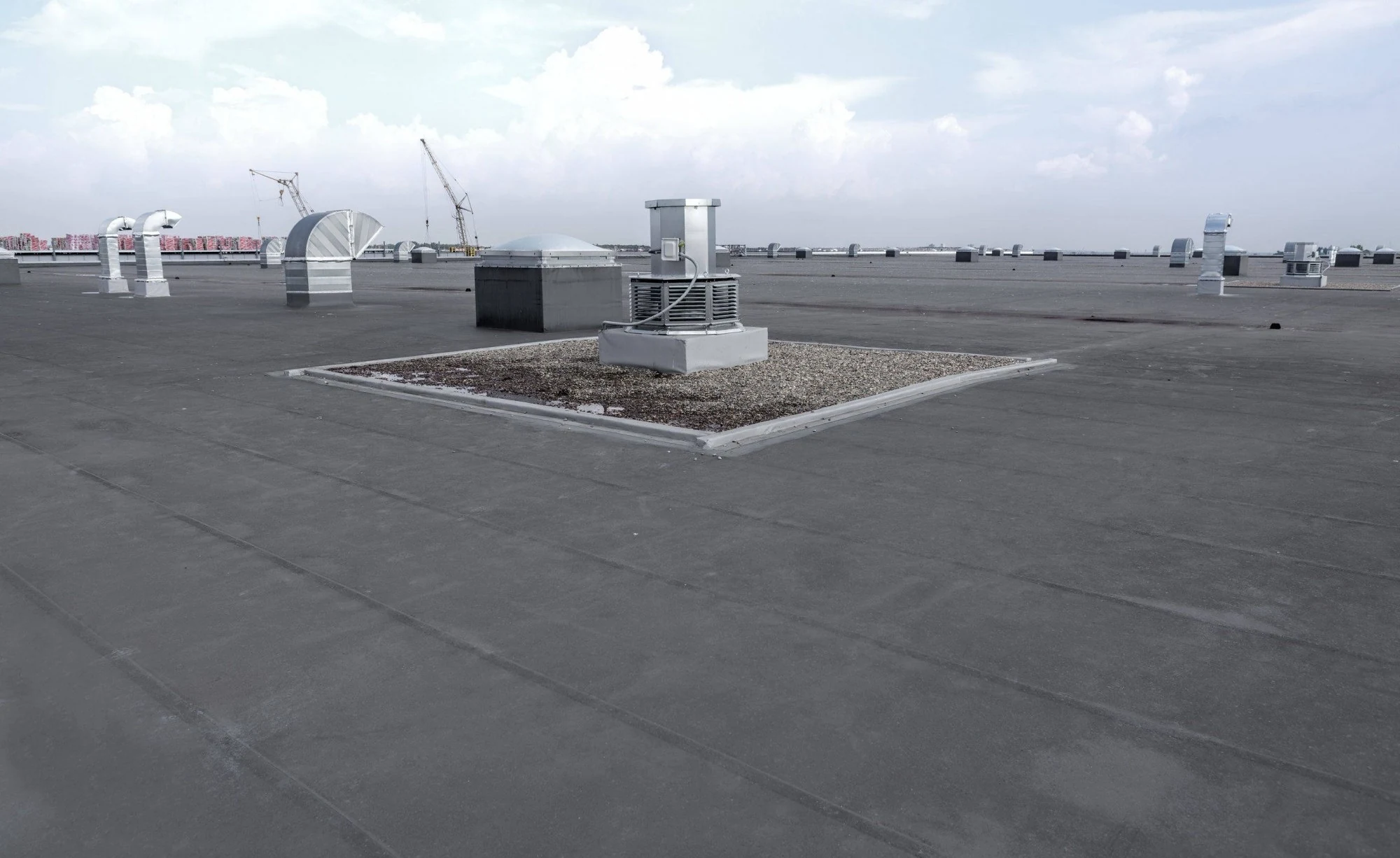
Hotel roofs along the Biltmore Village and Tunnel Road corridors tend to carry a dense layout of package rooftop units, one or more per guest wing, and each one is a flashing detail and a service-walk destination. That density changes how we lay out walk pads and where we route service access so foot traffic does not concentrate wear on one section of membrane.
Recover or replacement scheduling on an operating hotel has to account for guests, noise, and odor, not only weather windows. We sequence work section by section where possible and coordinate access timing with hotel operations so the project does not read as a disruption to the people staying there.
Where White EPDM Fits the Bid Alternates List
For an exposed, single-story hospitality or retail roof, white EPDM is a reasonable alternate to price alongside the black EPDM base bid we cover on our black EPDM roof systems page, and against a white TPO option where the deck and budget support it. The comparison should include the reflectivity data, not only the material cost per square foot.
Once the roof is in, keeping that reflectivity working for the building is a maintenance question. We fold the washing interval into the preventive care conversation we cover on our preventive maintenance programs page, since a reflective membrane that never gets washed is not delivering what it was specified to deliver.
Questions Hotel and Retail Owners Ask About White EPDM
Does white EPDM actually reduce cooling costs?
It reduces the solar heat driven into the roof assembly, which is a real, measurable effect at the membrane. The dollar impact on a cooling bill depends on the building's insulation and HVAC condition, so we describe the reflectivity benefit honestly rather than attaching a specific savings number to it.
Does white EPDM need more maintenance than black to stay effective?
It benefits from periodic washing to keep dirt and pollen from dulling the reflective surface, which black membrane does not need for the same reason. That washing interval should be written into the maintenance plan from the start.
Can white EPDM be installed as a recover over our existing roof?
Often yes, particularly with a fleece-backed product, provided the existing roof passes a moisture and deck condition check first. We confirm that before recommending recover over a full tear-off.
Is white EPDM appropriate for a roof with a lot of rooftop units?
Yes, the membrane choice and the equipment density are separate questions. What changes with a dense rooftop unit layout is the flashing detail count and the walk pad layout, not whether white EPDM is a viable membrane.
Does freeze-thaw affect white membrane differently than black?
No, the structural stress from freeze-thaw cycling at our elevation affects the membrane and flashings the same regardless of color. Color is a surface reflectivity question, not a durability question.
Related
Ready to review the roof scope?
Request a Roof Assessment