Commercial Roofing Services
EPDM Commercial Roofing in Asheville, NC
EPDM membrane roofing for brewery and industrial buildings around Mills River, Fletcher, and Candler, specified against grease exposure and seam aging.
EPDM Membrane for Brewery and Industrial Roofs Along the I-26 Corridor
EPDM is still the membrane we spec most often for production and industrial buildings around Mills River, Fletcher, and the Enka district in Candler. It handles the tank vibration, foot traffic from maintenance crews, and rooftop equipment loading that come with brewery and light-manufacturing roofs better than a lot of owners expect from a decades-old membrane technology.
Where EPDM Still Makes Sense
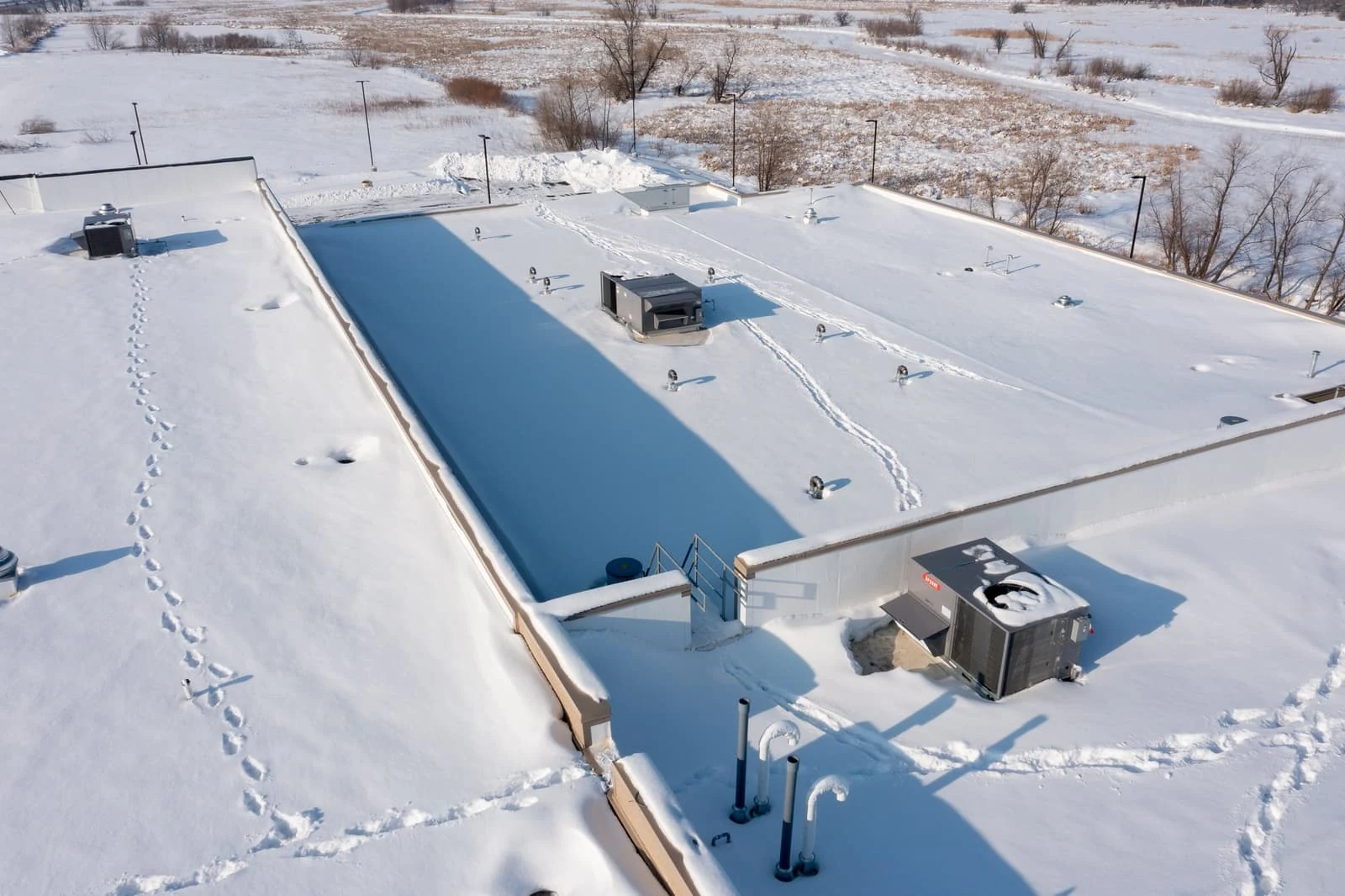
Sierra Nevada's Mills River brewery and the smaller production facilities clustered in West Asheville and the River Arts District all share a roof profile: large low-slope areas, heavy rooftop mechanical for brewing and refrigeration equipment, and frequent maintenance foot traffic to service that equipment. EPDM's puncture resistance and field-repairability hold up under that kind of use better than a thinner single-ply membrane, and black EPDM's heat retention is occasionally an asset on buildings running refrigeration equipment that benefits from a warmer roof deck in winter. We don't default to EPDM on every industrial bid - TPO wins plenty of these too - but we price both when the building type calls for it.
Fletcher's industrial parks and the manufacturing buildings along US-25 through East Flat Rock carry a lot of legacy EPDM roofs from the last reroofing cycle, and a fair number of our current bids are recover or full-replacement work on systems installed 20 to 25 years ago that are simply past their service life, not failing from a design defect.
Production Buildings, Grease, and Membrane Chemistry
Brewery roofs see occasional grease and hop-oil exposure from kitchen exhaust and brewhouse venting, and standard EPDM isn't grease-resistant the way PVC is. Where a specific rooftop exhaust point puts sustained grease contact on the membrane, we detail a PVC or grease-resistant patch at that location rather than switching the whole roof to a different system over one exhaust stack.
Ballasted, Fully Adhered, or Mechanically Fastened
The attachment method matters as much as the membrane on these buildings:
- Ballasted EPDM for low-rise industrial buildings where dead-load capacity and wind exposure allow it - lowest installed cost, fastest install
- Fully adhered EPDM where roof edge wind uplift zones or a lighter structural deck rule out ballast
- Mechanically fastened EPDM as a middle option on retrofit work where deck condition is uncertain
- Reinforced EPDM at high-traffic maintenance walkways around rooftop condensers and cooling towers
- Seam tape versus liquid-applied seam systems, specified by roof age and manufacturer warranty requirements
Freeze-Thaw and Seam Tape Aging
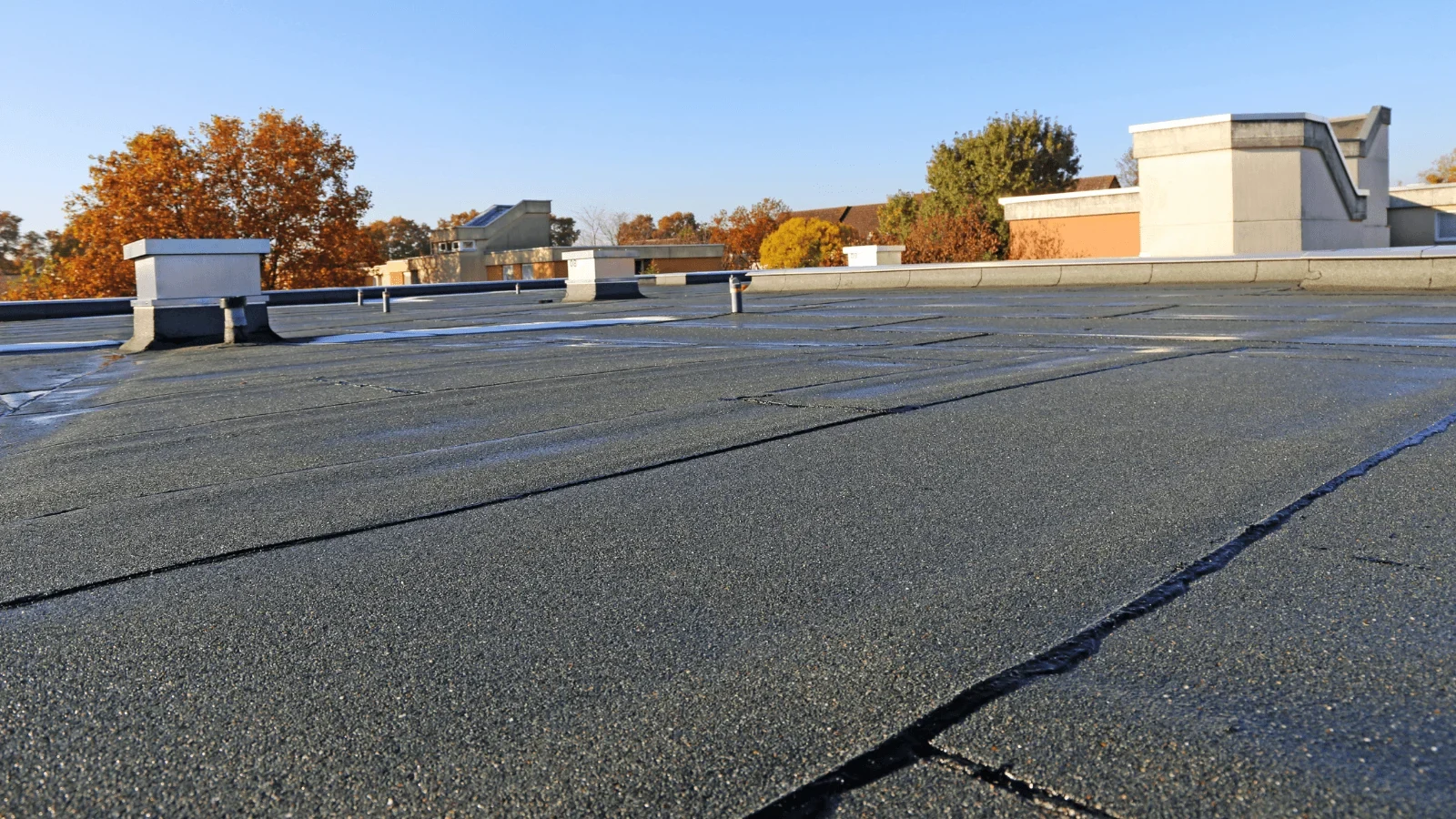
EPDM seam tape is the component that ages first in this climate, well before the membrane sheet itself shows wear. Freeze-thaw cycling at elevation stresses the adhesive bond at every seam, and we've pulled 15-year-old seams during recover projects that were the actual point of failure while the field membrane was still sound. Our inspection process on any EPDM roof over ten years old checks seam condition specifically rather than relying only on a surface walk of the membrane.
We generally recommend a seam-focused inspection on a two- to three-year cycle for any EPDM roof past its tenth year, rather than waiting for a tenant complaint or a stained ceiling tile to trigger the call. Catching a lifted seam early is a caulk-and-tape repair measured in a few hundred dollars; catching it after water has tracked laterally under the membrane into the insulation board is a wet-insulation replacement measured in thousands, on a roof section that otherwise had years of service life left. We build this distinction into our maintenance proposals for plant engineers managing several buildings on one campus, since the seam-inspection line item is cheap insurance against the more expensive failure mode.
Bidding EPDM Against TPO on Industrial Rebids
When a plant engineer or facilities manager puts a roof out to bid as a rebid rather than a first-time reroof, we price EPDM and TPO as alternates rather than assuming the existing system is the right one to replace it with. Installed cost, expected service life, and the building's specific exposure - grease, chemical, foot traffic - all factor into which one we'd actually recommend, and we say so in the bid narrative rather than defaulting to whatever's already on the roof.
Rebid work also gives us a chance to correct attachment method, not only membrane choice. A ballasted roof installed on a building that has since added rooftop solar, satellite dishes, or additional condenser units may no longer carry the dead load the original ballast design assumed, and we flag that structural question to the owner's engineer before pricing a like-for-like ballast replacement on a roof that's carrying more hardware than it did at the last reroof.
Questions We Get From Plant Engineers and Facilities Managers
Is EPDM still a viable spec in 2026, or has TPO replaced it everywhere?
It's still viable, particularly on industrial buildings with heavy rooftop equipment and maintenance traffic. We don't recommend it reflexively, but it isn't obsolete.
Can EPDM handle rooftop condenser and cooling tower traffic?
Yes, especially with reinforced membrane or walkway pads at the high-traffic zones around the equipment.
What's the realistic service life on a mechanically fastened EPDM roof at this elevation?
It depends on membrane thickness and seam maintenance, but freeze-thaw cycling here means seam inspection on a regular schedule matters more than it would at lower elevation or milder climates.
Do you patch grease-exposed areas differently than the rest of the roof?
Yes - we detail a resistant membrane patch at the specific exhaust or vent location instead of re-speccing the entire roof over one contamination point.
Can you price a full EPDM-to-TPO conversion as part of a recover bid?
Yes, and we typically recommend pricing it as an alternate so ownership can compare installed cost against expected service life before committing.
Related
Ready to review the roof scope?
Request a Roof Assessment