Commercial Roofing Services
Insurance Documentation Support in Asheville, NC
Factual, dated roof damage documentation for Asheville commercial storm insurance claims, supporting owners, brokers, and public adjusters after Helene.
Building the Factual Record an Adjuster Needs to Work From
A commercial roof insurance claim moves on documentation, not on how convincing an argument sounds after the fact. Since Hurricane Helene, we've supported an unusual volume of storm-related claims across Western North Carolina, and the pattern is consistent: claims with early, specific, dated documentation move faster than ones without it.
For the full walkthrough of what a commercial roof insurance claim requires - from initial documentation through meeting the adjuster to framing a complete repair scope - see our commercial roof insurance claim guide. Wind is the peril behind most storm-related claims in this region, and freeze-thaw cycling drives most winter claims; the wind and storm damage claims page and the snow and ice damage claims page cover the peril-specific documentation detail this page doesn't get into.
What We Provide and What We Don't
We are not public adjusters and we do not negotiate coverage or claim value with an insurance carrier on an owner's behalf. What we provide is a factual roof condition report - dated photographs, moisture testing results, a description of observed damage, and a repair or replacement scope - that an owner, their broker, or their public adjuster can use in the claims process. We do not promise a claim will be approved, and any contractor who does make that promise is telling you something they can't actually deliver.
That distinction matters because the value we add is credibility. A report that only says what a roof needs to work again, without inflating or downplaying findings, holds up better under adjuster review than one written to argue a predetermined outcome.
Building a Damage Record That an Adjuster Can Use
The core of a useful claims-support package is specificity. "Storm damage observed" doesn't help an adjuster evaluate a claim. "Wind uplift at the northeast parapet corner, membrane tear approximately eleven feet along the coping return, moisture confirmed in insulation twenty feet inward from that point" gives them something they can actually assess against the policy and against what they're seeing on similar claims across the region.
- Dated, location-tagged photographs of all observed damage, taken before any temporary repair
- Moisture scan or core-cut results identifying the extent of saturated insulation
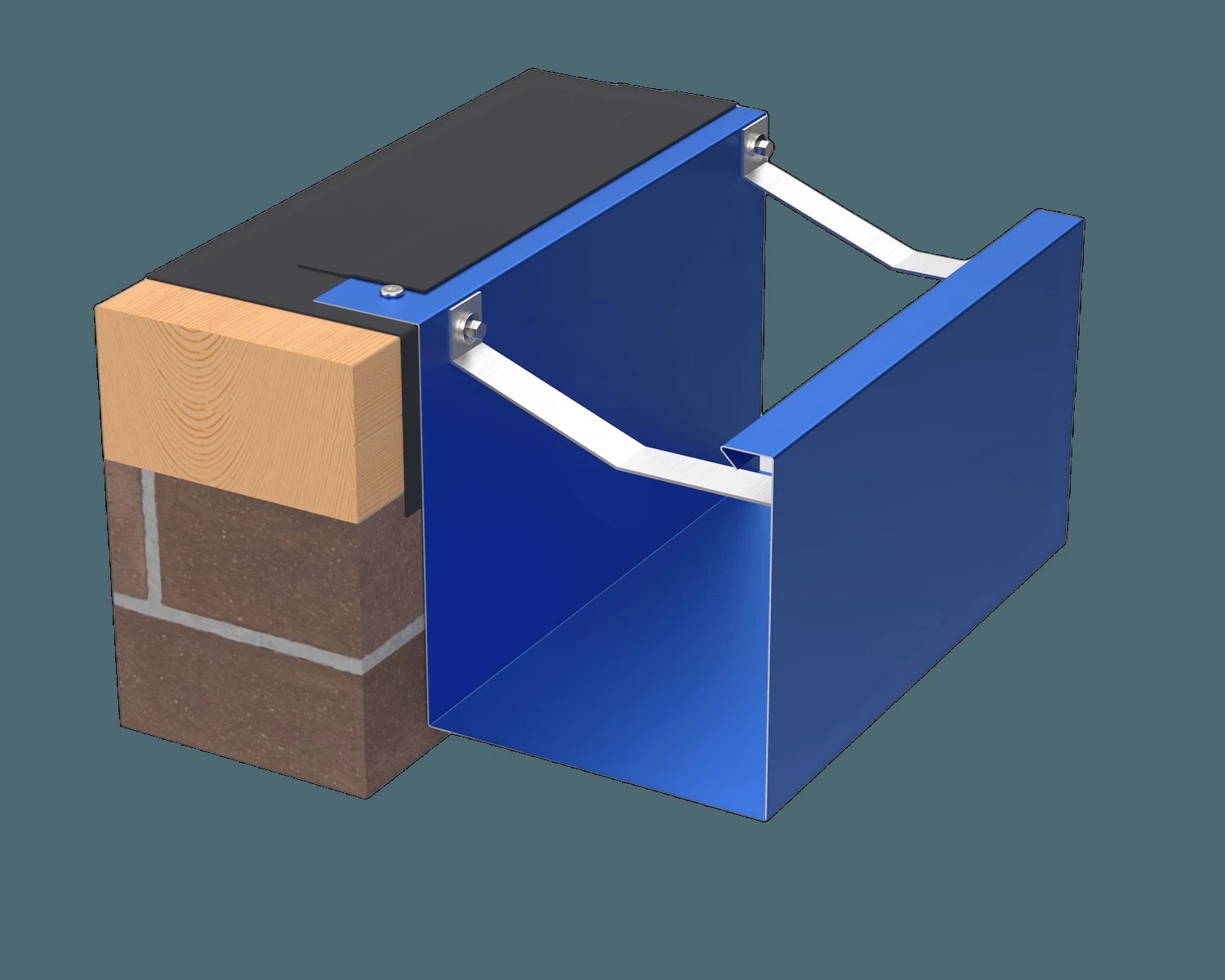
- Measurements and description of membrane, flashing, and edge metal damage by roof section
- Distinction between storm-related damage and any pre-existing wear, documented separately
- A repair or replacement scope and cost estimate tied directly to the documented damage
Separating storm damage from pre-existing condition is one of the more scrutinized parts of any claim review, and we document that distinction honestly rather than attributing every roof issue to the storm regardless of its actual origin.
Timing Documentation Around the Realities of a Regional Disaster
When a storm the scale of Helene hits an entire region at once, adjusters are working through a claim volume that would strain any normal timeline, and property owners are competing for contractor availability across hundreds of affected buildings simultaneously. We prioritize getting a dated photo record established as early as possible, even before a full repair scope can be finalized, because the timestamp on damage documentation matters more to a claim than having every detail resolved on day one.
For owners managing multiple affected properties - a hospitality group with several hotels, a healthcare system with multiple medical office buildings - we can structure documentation consistently across the portfolio so each claim is supported by the same reporting standard rather than varying by which building got attention first.
Working Alongside Public Adjusters and Brokers
When an owner has engaged a public adjuster, we coordinate our roof-specific documentation with their broader claims work rather than duplicating effort. Our role stays focused on the technical roofing record; theirs is the claims negotiation itself. That division keeps each party working in their area of actual expertise.
How the Documentation Timeline Typically Runs
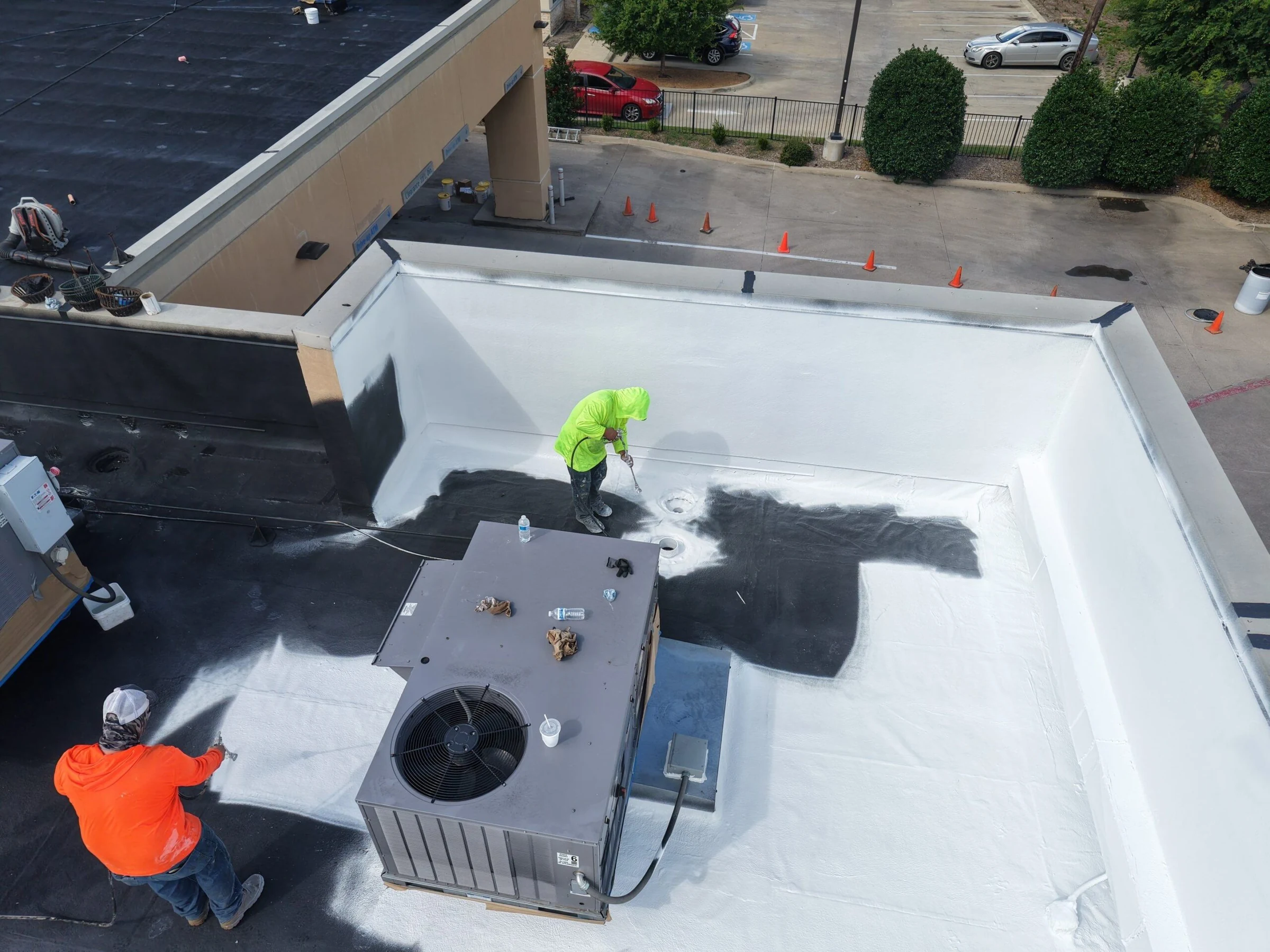
The first visit after a storm is about establishing the dated photo record and getting any active water intrusion stopped, not about producing the final report. That initial documentation captures what's visible and accessible immediately, understanding that some damage - water that migrated under an intact-looking membrane, for instance - may not be fully apparent for days or weeks afterward.
A follow-up assessment once the building is stabilized fills in what the emergency response couldn't fully capture: moisture scan results across the full affected area, a complete measurement of membrane and flashing damage, and a repair or replacement scope with cost estimates. That two-step timeline - immediate documentation, then full assessment - reflects how storm damage actually reveals itself rather than trying to force a complete report out of a single emergency visit.
Insurance Documentation Questions
Can you guarantee our claim will be approved?
No. We don't make coverage determinations and won't promise an outcome. Our documentation supports the claims process; the coverage decision is the carrier's.
Do you work directly with our public adjuster or broker?
Yes. We provide the technical roof documentation and coordinate scheduling and scope details with a public adjuster or broker already engaged on the claim.
How soon after storm damage should documentation start?
As soon as it's safe to get on the roof. Dated photos taken close to the storm event carry more weight in a claim review than documentation compiled weeks later.
Can you separate storm damage from pre-existing roof wear in the report?
Yes, and we do so as standard practice. Conflating the two is one of the more common reasons a claim review gets delayed or disputed, so we note both categories separately with the specific evidence behind each finding.
What if we manage several buildings with storm claims at once?
We can document each property to the same reporting standard so a multi-building claim reads consistently across the portfolio rather than depending on which building was inspected first, which also makes it easier for a broker or risk manager to track status across every open claim in one place.
Related
Ready to review the roof scope?
Request a Roof Assessment