Commercial Roofing Services
Roof Recover and Overlay Systems in Asheville, NC
Recover and overlay engineering for storm-damaged roofs in the River Arts District, Biltmore Village, and Swannanoa, weighed against full tear-off by building.
Recover Versus Tear-Off Decisions for Roofs Damaged in the September 2024 Storm
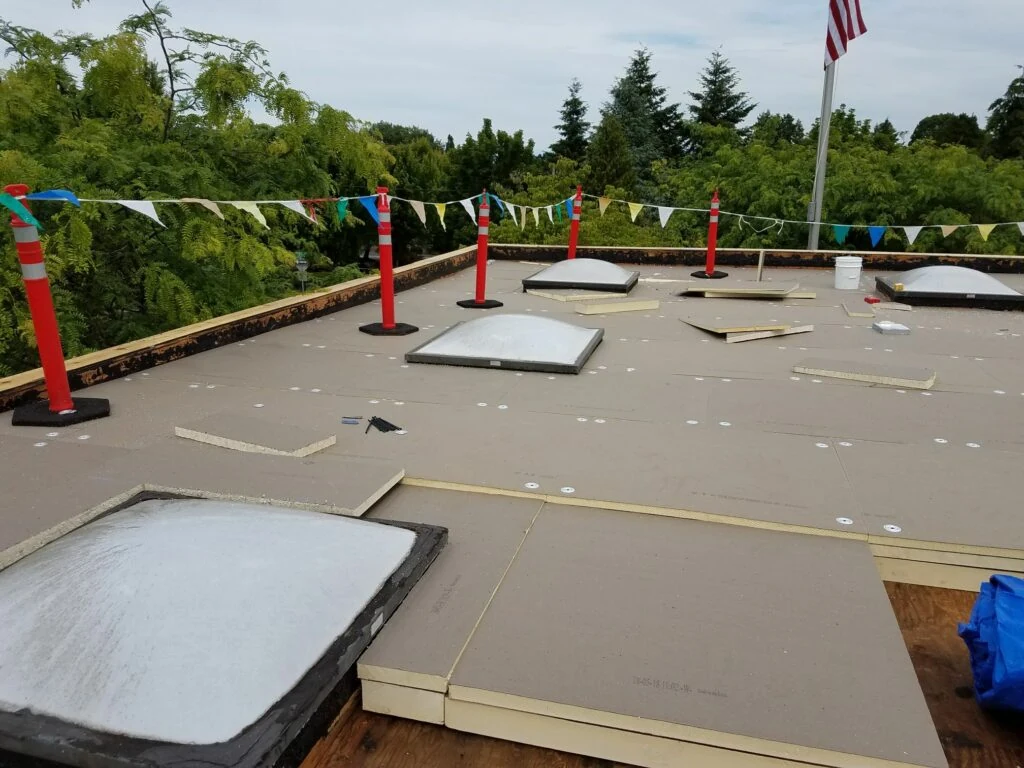
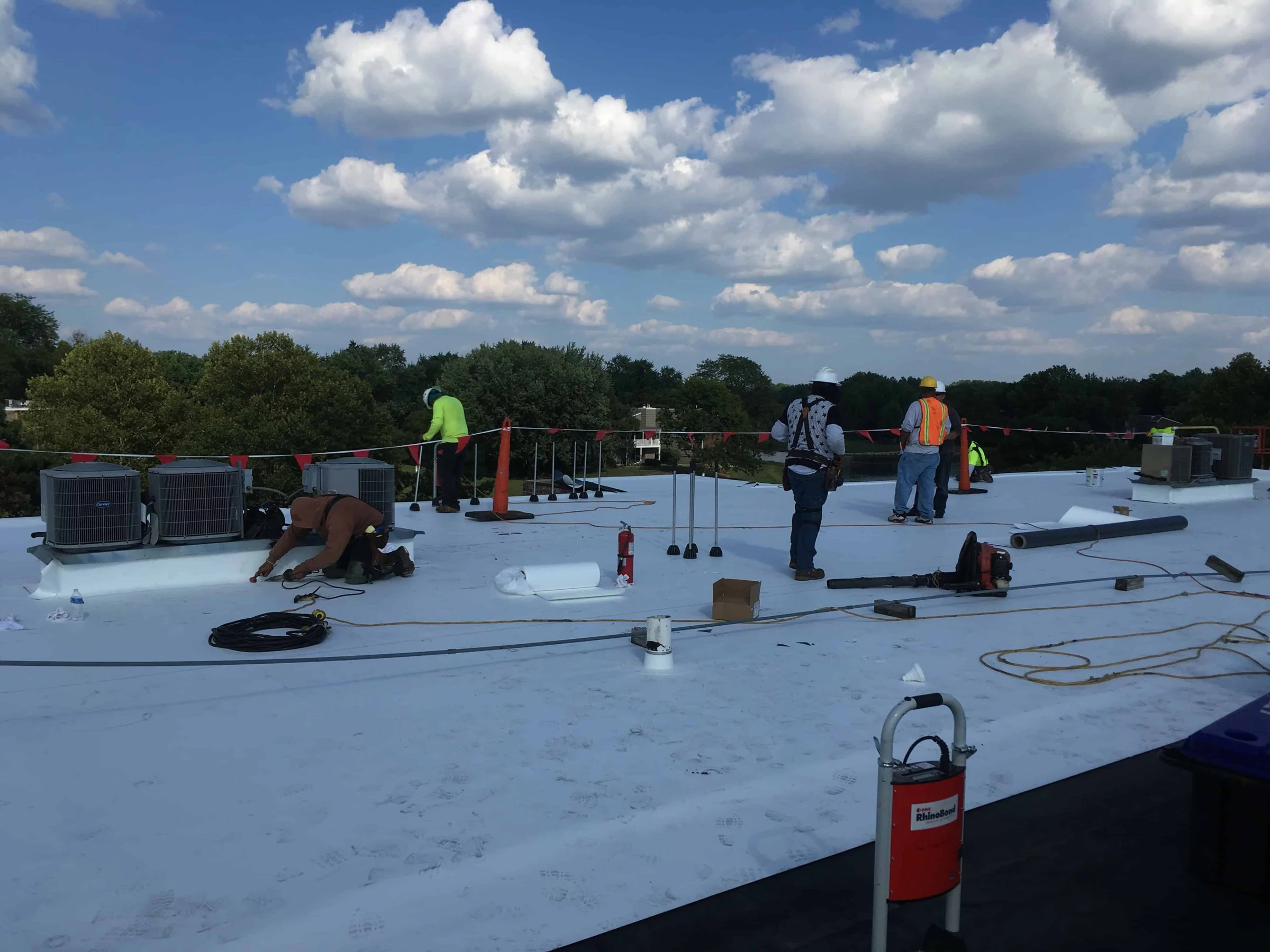
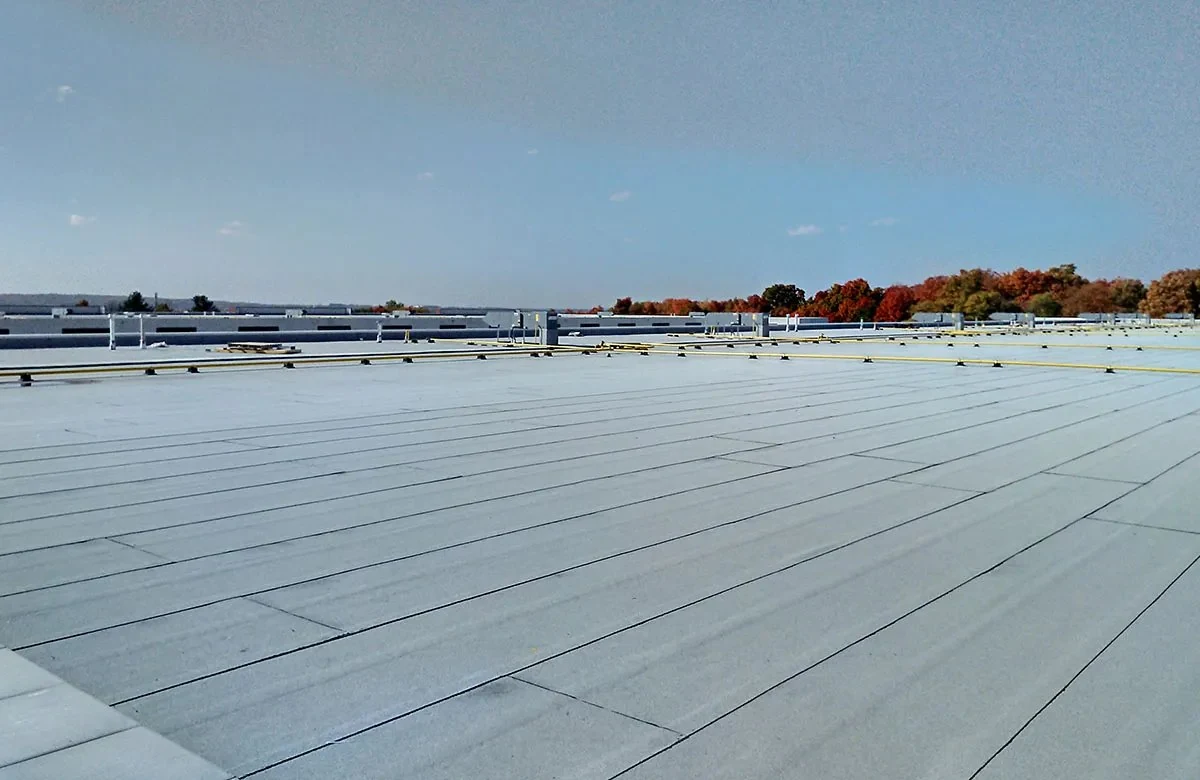
A recover system installs a new roof assembly over an existing one instead of tearing it down to deck, and it's the single most common question we get asked on properties still working through the rebuild wave that followed Hurricane Helene's flooding and wind damage. Whether recover is the right call depends on engineering and code conditions that we evaluate roof by roof, not a blanket answer that applies to every damaged building in the region.
What Recover Actually Requires
Building code generally limits a roof to a set number of existing membrane layers before a recover is no longer permitted and a full tear-off becomes mandatory, and we check that layer count as a first step on any storm-damaged roof before pricing recover as an option at all. Beyond the code limit, a recover requires the existing deck to be structurally sound, dry, and free of the kind of insulation saturation that sustained wind-driven rain can cause even without a visible membrane breach. We core-sample at multiple points across the roof, including areas well away from the visible damage, because wind and water can compromise insulation beyond where the surface failure is obvious.
Wind Uplift Analysis After Storm Damage
A roof that partially failed during Helene's wind event has already demonstrated something about its uplift resistance under real conditions, and that history factors into how we detail the recover system's fastening pattern and perimeter enhancement. Code and manufacturer wind uplift requirements have also tightened since a lot of these roofs were originally installed, so a recover isn't simply matching the old fastening pattern - it's re-engineering the attachment to current wind zone requirements, particularly at corners and perimeter zones where uplift pressure concentrates.
We also review whether the storm exposed a design weakness that predates Helene entirely - an undersized parapet cap, a coping detail that was already loose, a roof-mounted sign or equipment screen that acted as a sail during the wind event. Recover work gives us a chance to correct that underlying condition rather than rebuilding the same vulnerability back into the roof, and we call it out specifically in the proposal so ownership understands it as a design fix, not an upsell tacked onto the storm-repair scope.
Perimeter and corner enhancement - tighter fastener spacing, additional cover board layers, or a heavier attachment pattern at the roof edge - is usually the least expensive part of a recover bid relative to the protection it buys, and we price it as a distinct line so an owner's engineer can see that the incremental cost of correcting wind zone deficiencies is small compared to the cost of tearing the roof off entirely if it fails again in the next storm cycle.
Portfolio-Scale Rebids Across the Affected Corridor
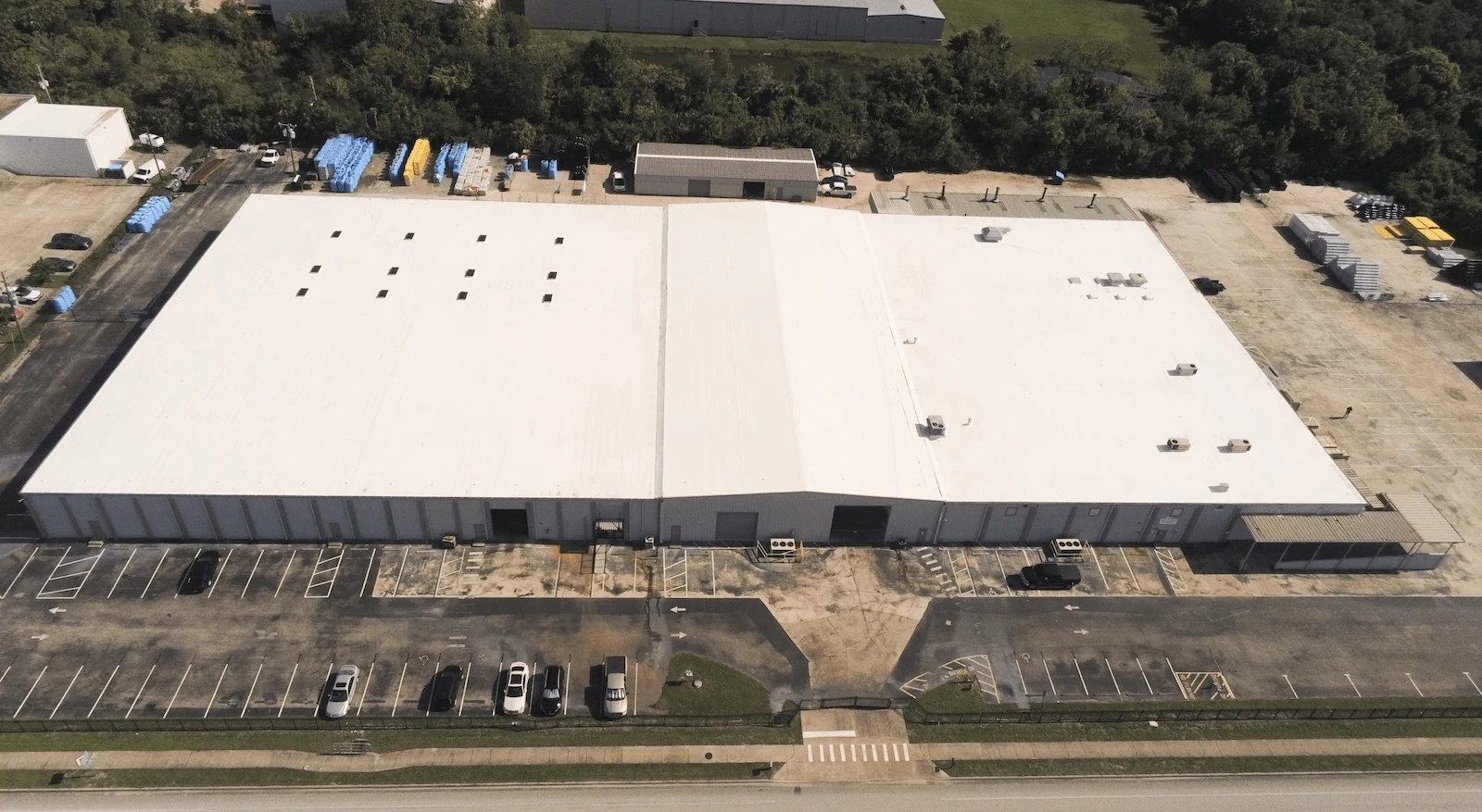
Several ownership groups with multiple properties across the River Arts District, Biltmore Village, and the Swannanoa corridor are managing recover and replacement decisions across a whole portfolio at once rather than building by building, since insurance timelines, contractor availability, and capital budgeting all interact differently at portfolio scale than on a single roof. We've priced multi-building rebids where the recover-versus-replace decision varies by building within the same portfolio, because roof age, damage severity, and remaining warranty term aren't the same across every property an owner holds, even in the same flood zone. Our silicone coating page covers a related option for roofs that survived with less structural damage.
When Recover Isn't the Right Call
We recommend against recover, and price full tear-off instead, in several recurring situations:
- Existing roof already at the code-maximum number of membrane layers
- Insulation saturation confirmed by moisture scan or core sample, even where the surface membrane looks intact
- Structural deck damage from wind uplift or falling debris that recover would simply bury rather than repair
- A roof already near end of its rated service life, where the cost of engineering a recover approaches the cost of full replacement anyway
- Code or insurance requirements mandating full replacement for the claim to be honored at all
Documentation for Insurance and Capital Committees
Every recover-versus-replace recommendation we make comes with the moisture scan data, core sample photographs, and code-compliance layer count that led to it, formatted for whoever is reviewing the decision - an insurance adjuster, an owner's engineer, or a capital committee weighing the recommendation against budget. We don't promise what an insurer will approve; we document the physical condition of the roof as thoroughly as the review process requires and let that documentation speak for the decision.
Questions Ownership Groups Ask Before Approving a Recover Bid
How do you determine if our roof qualifies for recover under current code?
We check the existing membrane layer count against the applicable code's maximum before pricing recover as an option at all.
Does a recover system need to meet current wind uplift requirements, or can it match the old fastening pattern?
Current requirements apply - we re-engineer the fastening pattern and perimeter enhancement to today's wind zone standards regardless of what the original roof used.
Can you price recover and replacement as separate bid alternates for the same roof?
Yes, and we recommend it whenever the decision isn't clearly one-sided, so the owner's engineer or capital committee can compare both numbers directly.
How do you handle a portfolio where some buildings need recover and others need replacement?
We evaluate each building independently and present a portfolio-level summary so ownership can sequence the work and budget by building rather than assuming one answer for every property.
What documentation do you provide for an active insurance claim?
Moisture scan results, core sample photographs, and a written condition assessment, without representing what the insurer will ultimately approve.
Related
Ready to review the roof scope?
Request a Roof Assessment