Commercial Roofing Services
Roof Drains & Scuppers in Asheville, NC
Roof drain and scupper evaluation for Asheville commercial buildings, correcting chronic ponding that shortens membrane life faster than any other factor.
Drainage Failures Age a Roof Faster Than Anything Else
Ponding water is the single fastest way to shorten a low-slope commercial roof's service life, and it almost always traces back to a drain or scupper that isn't performing the way the original design intended. We treat drainage as a distinct scope of work, separate from general membrane condition.
Why Standing Water Shortens Membrane Life
Water that sits on a membrane for more than 48 hours after a rain event accelerates UV and thermal degradation at that location well beyond what the rest of the roof experiences, since ponded water traps heat and holds contaminants against the membrane surface longer than a roof that drains properly. On built-up and modified bitumen roofs especially, chronic ponding is one of the clearest predictors of premature membrane failure we see in the field.
Heavy regional rain events compound the problem on roofs with marginal slope to begin with, since a drainage system already running near capacity in normal rain has little margin left when a storm delivers an unusual volume in a short window.
Common Drain and Scupper Problems on Older Buildings
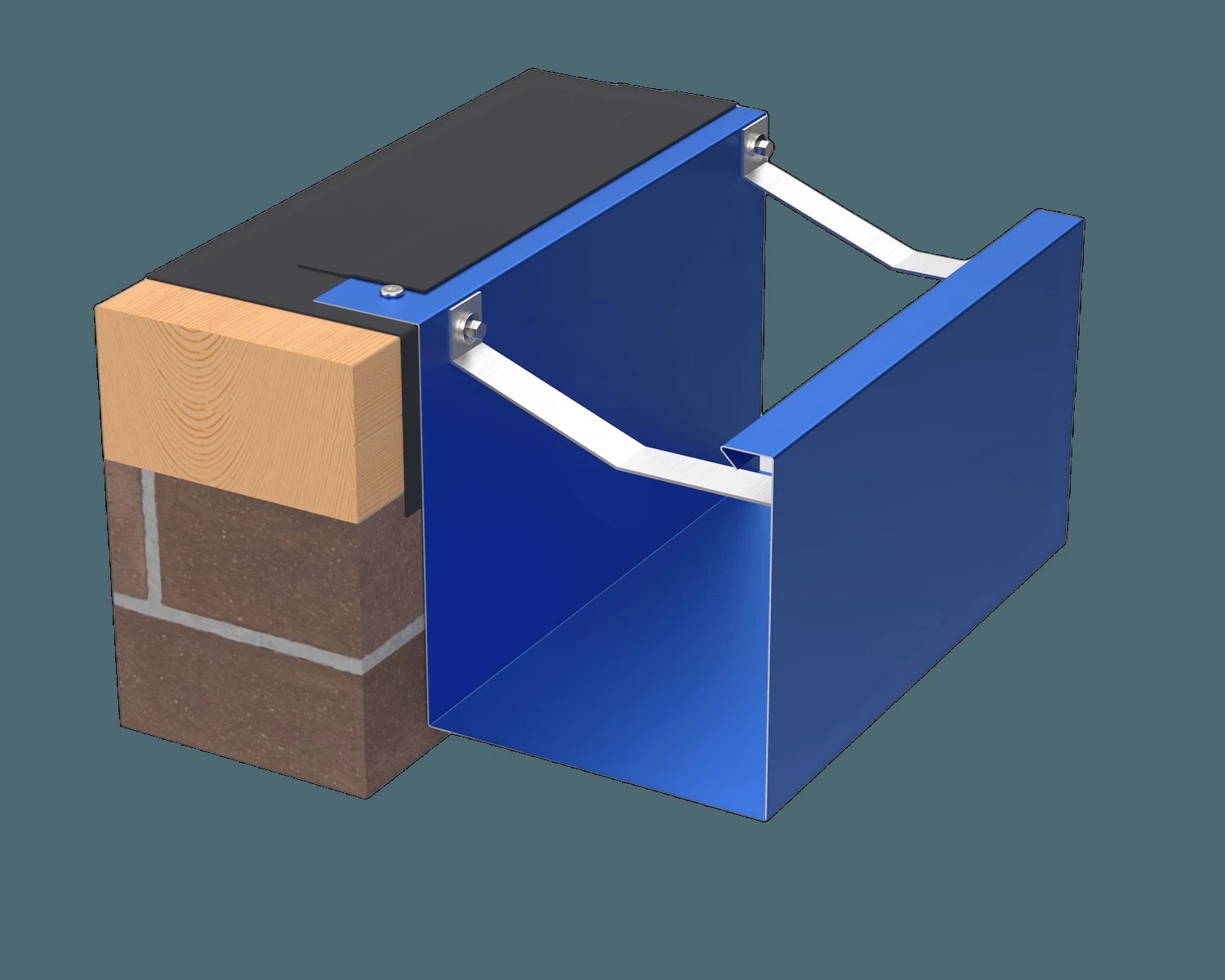
Interior drains on older buildings around downtown Asheville and Hendersonville are frequently undersized for current roof loads, particularly on buildings that have had a recover system installed over the years without the drain sump being lowered or the strainer basket resized to match. Scuppers on parapet-wall buildings clog easily with debris and are often set at an elevation that leaves a permanent low spot even when clear, simply because of how the original roof was sloped.
Debris from nearby tree cover is a recurring issue on properties near Black Mountain, Montreat, and other heavily wooded parts of the region, where leaf litter can block a drain strainer within a single season if it isn't checked regularly.
What a Drainage Assessment Covers
- Roof survey identifying all ponding areas and their duration after a rain event
- Drain and scupper strainer condition and clog history
- Drain sump depth relative to surrounding roof slope
- Overflow scupper presence and elevation, required by code as secondary drainage
- Recommendations ranging from strainer replacement to tapered insulation correction
Overflow scuppers matter beyond routine drainage - they're the code-required secondary drainage path if primary drains clog completely, and we check that they're present, unobstructed, and set at the correct elevation on every drainage assessment, rather than only during a reroof.
Correcting Chronic Ponding During a Reroof or Recover
When ponding is a chronic problem rather than an occasional inconvenience, patching around it doesn't solve anything. We address it during reroofing or recover projects with tapered insulation crickets that redirect water toward existing or relocated drains, which is a far more durable fix than repeatedly clearing a drain that was never going to handle the roof's actual runoff pattern.
On buildings where relocating drains isn't practical, adding a supplemental drain or scupper at the low point is sometimes the more cost-effective correction, and we evaluate that option against a full tapered insulation redesign based on the specific roof geometry.
Retrofit Options When the Original Drain Layout Falls Short
Not every drainage problem requires tearing into the deck. Where a building's original drain layout simply wasn't designed for current rainfall intensity or a rooftop equipment change has shifted water flow across the roof, we look first at lower-cost corrections before recommending a full tapered insulation redesign. Oversized strainer baskets, extended overflow scupper capacity, or a supplemental secondary drain tied into the existing plumbing stack can solve a persistent ponding problem without the cost of a complete drainage redesign.
Where those options aren't enough - typically on roofs with genuinely flat or reverse-pitched areas rather than just an undersized drain - tapered insulation crickets during a planned reroof become the more durable answer. We evaluate the actual cause before recommending either path, since spending on a full redesign when a strainer upgrade would have solved the problem wastes budget an owner could put toward other capital priorities.
Roof Drainage Questions
How long can water sit on a flat roof before it becomes a problem?
Most manufacturer guidance and industry standards point to 48 hours as the threshold where standing water starts accelerating membrane degradation. Water still visible on a roof two days after a rain event is worth a drainage evaluation.
Can a clogged drain cause a leak even if the membrane is otherwise fine?
Yes. A blocked drain backs water up across the roof surface, which increases hydrostatic pressure at seams and penetrations that were never designed to handle standing water, and that pressure is a common cause of leaks that have nothing to do with membrane age. Clearing the drain sometimes resolves a leak that looked like a membrane problem on the surface.
What is an overflow scupper and do we need one?
An overflow scupper is a secondary drainage opening set slightly above the primary drain's operating level, required by code as backup if the primary drain clogs. Most commercial buildings need them, and we check for their presence and correct elevation during any drainage assessment.
Is drain relocation the only fix for chronic ponding?
No. Tapered insulation crickets that redirect water to existing drains, or adding a supplemental drain at a persistent low point, are often more practical than relocating a drain through the deck. We evaluate which option fits the specific roof, weighing cost and disruption to the building against how much of the ponding problem each approach actually solves.
Related
Ready to review the roof scope?
Request a Roof Assessment