Commercial Roofing Services
Built-Up Roofing in Asheville, NC
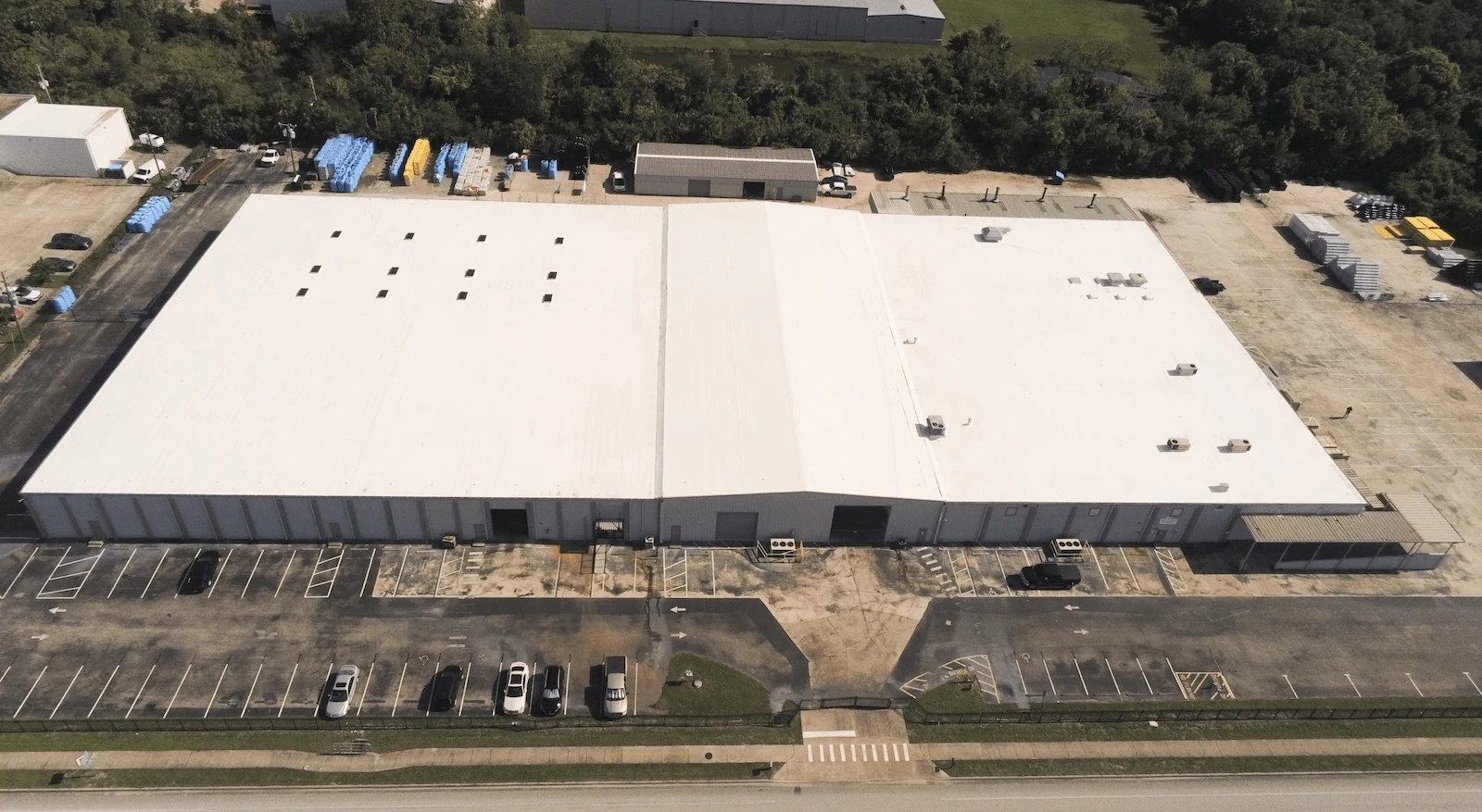
Built-up roofing recover and replacement for downtown Asheville and Buncombe County municipal buildings, bid through public sealed-bid procurement.
Built-Up Roofing for Municipal Buildings and Older Downtown Asheville Stock
A meaningful share of downtown Asheville's older commercial buildings, plus a number of Buncombe County and City of Asheville municipal facilities, are still running built-up roof systems installed decades ago. We bid BUR recover and replacement work on this stock regularly, and the specification questions on these jobs usually center on ballast, drainage, and how much of the existing system is salvageable rather than which membrane to pick.
Legacy BUR on Downtown and Municipal Buildings
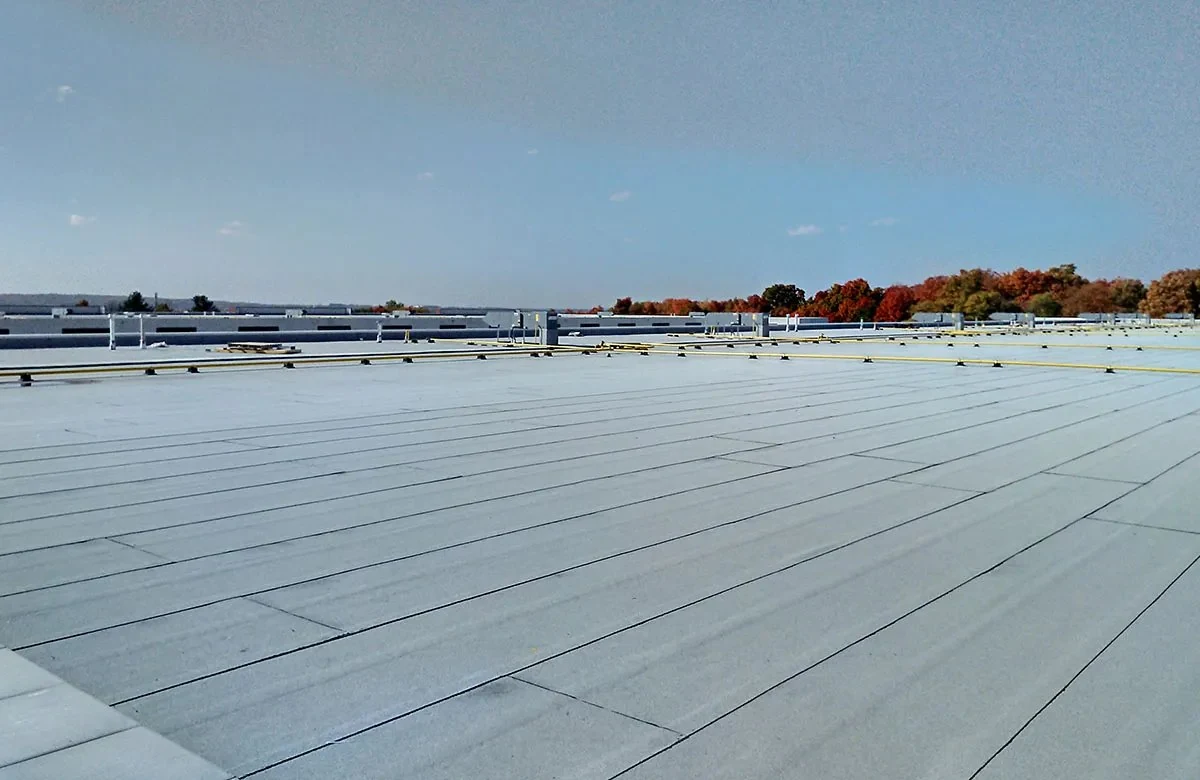
Built-up roofing - alternating plies of asphalt-saturated felt and hot asphalt, typically finished with gravel ballast - was the standard low-slope system for decades before single-ply membranes took over, and a lot of pre-1990s buildings downtown, around Pack Square, and on public buildings across the county still carry it. Museums and cultural facilities with older roof stock, along with some of the support and maintenance buildings on the Biltmore Estate grounds, fall into this category as well. On these jobs, the first question isn't what system to install - it's how much of the existing multi-ply assembly is dry and structurally sound enough to build on top of.
Gravel Surfacing, Ballast, and Wind at Elevation
Gravel-surfaced BUR performs well against UV and foot traffic, but loose ballast becomes a wind hazard on taller downtown buildings during the region's stronger wind events, including the kind of sustained wind Hurricane Helene brought through in September 2024. On buildings above a certain height or wind exposure category, we typically recommend converting to an adhered cap sheet or a mineral-surfaced modified bitumen finish rather than replacing gravel ballast in kind, and we explain that tradeoff in the bid narrative so the owner or public works office understands why the recommendation differs from a like-for-like replacement.
We size that recommendation to the specific building's exposure category rather than applying a blanket height cutoff, since a three-story downtown building on an exposed corner lot can see wind loading that a taller but more sheltered building doesn't, and the wind exposure analysis for gravel retention has to account for the surrounding block and exposed corner conditions in addition to the building's own height above grade.
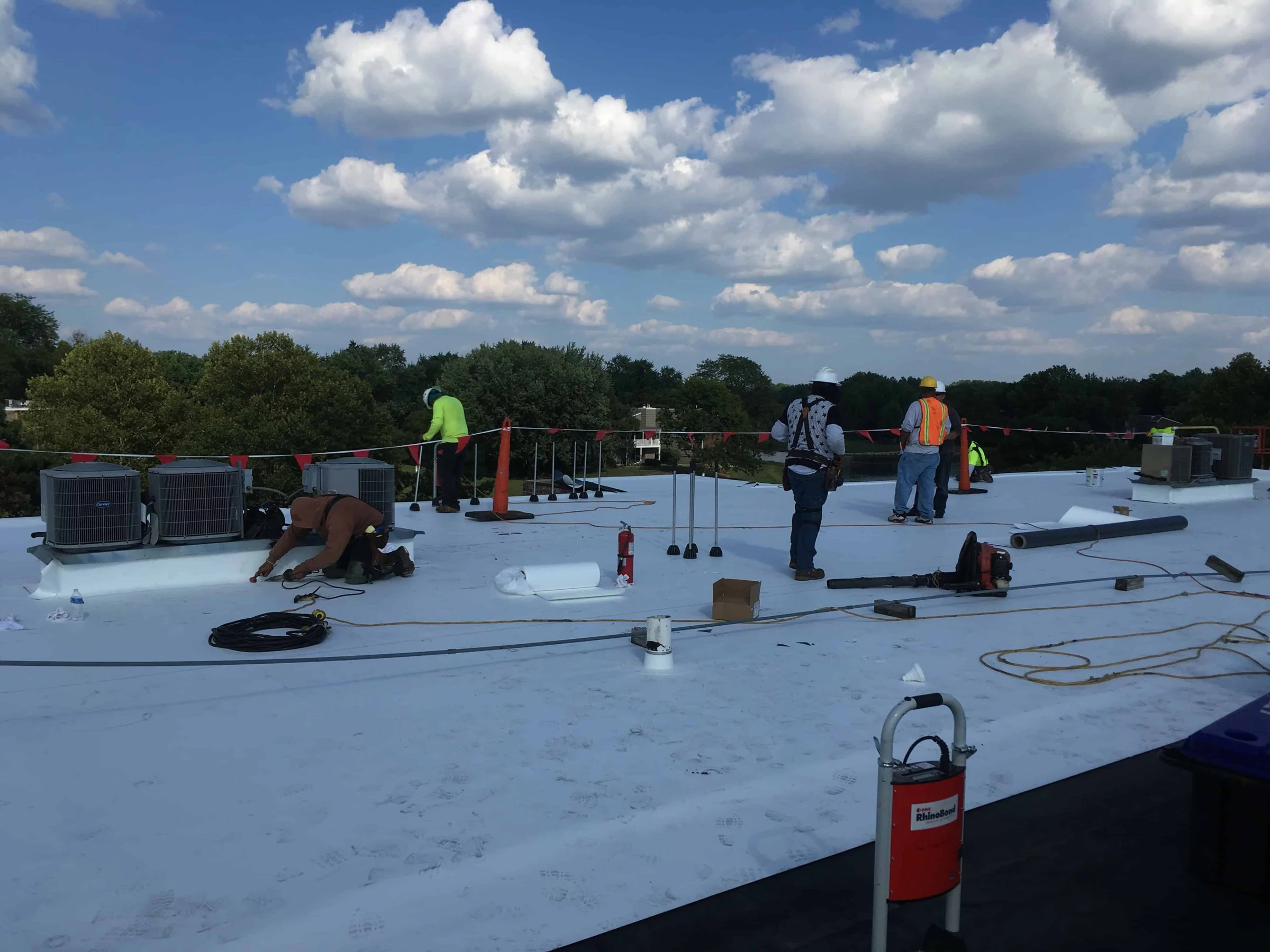
Loose gravel also complicates any rooftop work that follows the reroof - a communications contractor running new cable, an HVAC crew servicing a condenser, a solar installer surveying the field - because ballast gets displaced and has to be redressed correctly or it stops doing its job at the parapet edge. On buildings where we know future rooftop work is likely, we sometimes recommend the adhered option for that reason alone, independent of the wind exposure question, and we say so plainly rather than letting a facilities office discover it the hard way after the next contractor tracks gravel off the roof.
Multi-Ply Redundancy and Where It Still Pays Off
The main argument for built-up roofing today is redundancy - multiple plies mean a single puncture or seam failure doesn't automatically compromise the whole assembly. That still matters on:
- Roofs with heavy foot traffic from maintenance access to rooftop mechanical or communications equipment
- Public buildings where budget cycles mean a roof needs to last through several capital planning periods without emergency repair
- Buildings with a documented history of ponding, where a single-ply membrane would show every low spot as a visible defect
- Additions or reroofed sections that need to tie into an existing BUR field without a full tear-off
Freeze-Thaw and Ponding on Older Decks
Older low-slope decks in this region, especially on buildings from before current drainage codes, tend to have inadequate slope to drain, and standing water combined with freeze-thaw cycling is the single biggest driver of BUR failure we see on inspection. Before we bid a recover or recap, we run a rainfall test or review roof drain history to identify where tapered insulation needs to be added, rather than just repeating the original flat assembly.
Public Bid Requirements and Prevailing Wage
Municipal and county roofing bids in North Carolina generally require a formal sealed bid process, bonding, and, depending on the funding source, prevailing wage compliance with certified payroll submitted through the project duration. We build our public bid packages around whatever the solicitation specifies for bonding capacity, insurance certificates, and wage documentation, and we attend the pre-bid walk in person rather than relying on the drawing set alone, since older public buildings frequently have field conditions the drawings don't show.
Questions Public Works and Facilities Staff Ask About BUR
Is built-up roofing still an approved system for public bid specifications in this area?
Yes, it's still commonly specified on recap and recover work for existing BUR buildings, though new construction more often specifies single-ply.
Do you recommend keeping gravel ballast on a downtown building's reroof?
It depends on the building's height and wind exposure. On taller downtown buildings we often recommend an adhered cap sheet instead, and we explain the wind-uplift reasoning in the bid.
How do you verify bonding capacity and insurance for a sealed municipal bid?
We submit current bonding and insurance documentation with every public bid package, formatted to whatever the solicitation requires.
Can you tie a new BUR section into an existing field without a full tear-off?
Yes, where the existing field is dry and sound - we inspect and core-sample before committing to a tie-in versus full replacement.
What triggers a tapered insulation retrofit versus a like-for-like recap?
Documented ponding history or a rainfall test showing standing water beyond the manufacturer's acceptable duration. We flag this during inspection rather than waiting for it to become a leak.
Related
Ready to review the roof scope?
Request a Roof Assessment